Read the following passage about the The Psychological Price of Connectivity and mark the letter A, B, C or D...
Trần Gia Huy
Thành viên cộng đồng
Read the following passage about the The Psychological Price of Connectivity and mark the letter A, B, C or D on your answer sheet to indicate the best answer to each of the following questions from 31 to 40.
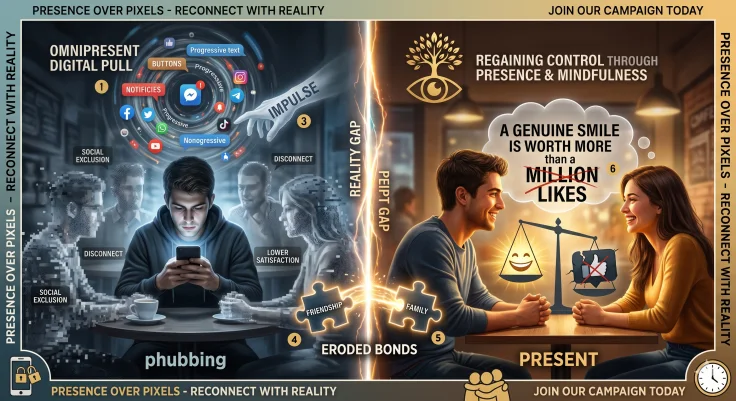
The ubiquity of digital platforms has fundamentally altered the psychological landscape of today's youth. While these tools foster connectivity, their deleterious effects on self-perception are increasingly evident. Many adolescents, trapped in a downward spiral of self-criticism, find themselves unable to escape the pressure of digital perfection. It is time for society to face the music concerning the mental health crisis exacerbated by screen addiction. This constant exposure creates an environment of comparison and envy. [I] By addressing these digital habits, we can ameliorate the pervasive dissatisfaction that young individuals feel regarding their personal physical appearance.
A landmark study by the American Psychological Association provides empirical evidence for a straightforward solution. Researchers discovered that halving social media consumption significantly boosts body confidence. [II] Participants, primarily those battling anxiety, limited their usage to one hour daily. This intervention showed remarkable efficacy in enhancing weight esteem within a mere three weeks. The results were immediate, suggesting that individuals do not need complex therapies to see improvement. Instead, this reduction in screen time serves as a potent remedy for the insecurities triggered by online interactions.
The underlying mechanism involves the hazardous nature of social comparison. Users frequently internalize filtered images, leading to a distorted view of reality. This phenomenon is particularly prevalent among vulnerable populations who constantly measure their worth against influencers. To mitigate these heavy psychological burdens, clinicians advocate for structured digital boundaries. By stepping away from the screen, individuals reduce their exposure to unrealistic standards, allowing their self-perception to shift without constant pressure. [III] Without such intervention, the relentless search for validation reinforces the harmful belief that value is tied to aesthetic perfection.
Ultimately, a "digital detox" is not merely a trend but a clinical imperative. Dr. Gary Goldfield notes that brief interruptions in screen time can have profound benefits for long-term mental stability. This cost-effective strategy offers a buffer against severe eating disorders and dysmorphia. [IV] Instead of seeking validation through a new app, the path to healing lies in the simple act of disconnecting. Reclaiming our focus from the screen is absolutely essential for genuine self-acceptance and overall psychological health.
https://www.apa.org/j
Question 31: The phrase “a downward spiral” in paragraph 1 has the closest meaning to _________.
A. breaking down B. falling apart C. fading away D. wearing off
Question 32: Which of the following is NOT mentioned in the passage regarding the study or its implications?
A. Participants were required to delete their accounts permanently.
B. The research focused on individuals with anxiety symptoms.
C. The intervention was conducted over a three-week period.
D. Reducing usage significantly improved participants' body confidence.
Question 33: Where in the paragraph does the following sentence best fit?
It suggests that even a temporary break allows the mind to recalibrate and recover from digital saturation.
A. [I] B. [II] C. [III] D. [IV]
Question 34: The word “potent” in paragraph 2 is OPPOSITE in meaning to _________.
A. formidable B. incessant C. ineffectual D. meticulous
Question 35: Which of the following best summarises paragraph 3?
A. Persistent validation from online influencers reinforces the harmful pursuit of aesthetic perfection.
B. Setting digital boundaries mitigates the distorted self-perception triggered by persistent social comparison.
C. Vulnerable populations frequently internalize filtered images to improve their overall social presence.
D. Clinical experts advocate for emotional resilience through increased exposure to diverse imagery.
Question 36: The word “their” in paragraph 3 refers to _________.
A. filtered images
B. digital platforms
C. social influencers
D. vulnerable populations
Question 37: Which of the following best paraphrases the underlined sentence in paragraph 4?
A. Frequent digital engagement is necessary for fostering robust adolescent self-esteem.
B. Persistent digital connectivity is fundamental for maintaining positive personal self-perception.
C. Prioritizing offline attention is vital for attaining authentic mental equilibrium.
D. Global software accessibility is mandatory for ensuring lasting individual self-acceptance.
Question 38: Which of the following is TRUE according to the passage?
A. Pharmaceutical interventions are essentially required for treating digital addiction symptoms.
B. Curtailing social media usage significantly fosters a healthier physical self-perception.
C. Constant exposure to filtered images effectively recalibrates an individual's self-perception.
D. Achieving mental stability necessitates a permanent abandonment of social media apps.
Question 39: Which of the following can be inferred from the passage?
A. Strategic behavioral shifts effectively circumvent the necessity for elaborate and expensive psychotherapy.
B. Constant digital interaction promotes a resilient psychological framework for managing societal pressures.
C. Universal software accessibility remains the primary prerequisite for achieving authentic personal self-acceptance.
D. Intensive professional clinical counseling represents the only viable strategy for sustained psychological healing.
Question 40: Which of the following best summarises the passage?
A. Technological innovations fundamentally redefine the collective psychological landscape of society.
B. Persistent social comparison on digital platforms inevitably degrades individual self-worth.
C. Implementing expensive clinical therapies is strictly necessary for sustainable recovery.
D. Strategic behavioral adjustments effectively counteract the psychological toll of connectivity.
Cô Nguyễn Thị Sen
Chuyên giaĐã trả lời ngày 17/09/2026
Question 31: The phrase “a downward spiral” in paragraph 1 has the closest meaning to _________.
A. breaking down B. falling apart
C. fading away
D. wearing off
Giải Thích: Cụm từ a downward spiral trong đoạn 1 có nghĩa gần nhất với cụm từ nào sau đây?
A. breaking down – SAI – Từ này thường chỉ sự hỏng hóc của máy móc hoặc sự suy sụp tinh thần đột ngột và dữ dội. Nó không diễn tả được quá trình lặp đi lặp lại và ngày càng tồi tệ hơn của hiện tượng vòng xoáy đi xuống.
B. falling apart – ĐÚNG – Cụm từ này chỉ sự vỡ vụn hoặc suy sụp dần dần, phản ánh đúng tình trạng tự chỉ trích ngày càng nặng nề của thanh thiếu niên. Nó phù hợp với ngữ cảnh mô tả sự xuống cấp liên tục của nhận thức bản thân.
C. fading away – SAI – Từ này mang nghĩa mờ nhạt dần hoặc biến mất từ từ theo thời gian, thường dùng cho âm thanh hoặc ký ức. Nó không mang sắc thái tiêu cực và mạnh mẽ của một quá trình suy sụp tâm lý do áp lực kỹ thuật số.
D. wearing off – SAI – Cụm từ này chỉ việc một tác dụng nào đó (như thuốc hoặc cảm xúc) dần mất đi hiệu lực theo thời gian. Nó không liên quan đến việc một tình trạng tồi tệ đang leo thang và kéo theo những hệ quả tiêu cực khác.
Question 32: Which of the following is NOT mentioned in the passage regarding the study or its implications?
A. Participants were required to delete their accounts permanently.
B. The research focused on individuals with anxiety symptoms.
C. The intervention was conducted over a three-week period.
D. Reducing usage significantly improved participants' body confidence.
Giải Thích: Điều nào sau đây không được đề cập trong đoạn văn liên quan đến nghiên cứu hoặc các tác động của nó?
A. Participants were required to delete their accounts permanently. – ĐÚNG – Nghiên cứu chỉ yêu cầu giảm một nửa thời gian sử dụng xuống còn một giờ mỗi ngày chứ không phải xóa tài khoản vĩnh viễn. Văn bản nêu rõ họ chỉ "limited their usage to one hour daily".
B. The research focused on individuals with anxiety symptoms. – SAI – Thông tin này có trong bài khi mô tả về những người tham gia nghiên cứu thực nghiệm. Văn bản xác nhận các đối tượng tham gia "primarily those battling anxiety".
C. The intervention was conducted over a three-week period. – SAI – Thời gian thực hiện can thiệp được đề cập rõ ràng là diễn ra trong vòng ba tuần để thấy được kết quả. Trích dẫn xác nhận hiệu quả được thể hiện "within a mere three weeks".
D. Reducing usage significantly improved participants' body confidence. – SAI – Đây là kết luận chính của nghiên cứu về tác động của việc giảm thời gian dùng mạng xã hội đối với sự tự tin. Văn bản khẳng định việc này "significantly boosts body confidence".
Question 33: Where in the paragraph does the following sentence best fit?
It suggests that even a temporary break allows the mind to recalibrate and recover from digital saturation.
A. [I]
B. [II]
C. [III] D. [IV]
Giải Thích: Câu "Nó gợi ý rằng ngay cả một sự nghỉ ngơi tạm thời cũng cho phép tâm trí điều chỉnh và phục hồi sau sự bão hòa kỹ thuật số" phù hợp nhất ở đâu?
A. [I] – SAI – Vị trí này nằm ở cuối đoạn 1, nơi đang tập trung vào việc mô tả thực trạng khủng hoảng sức khỏe tâm thần và thói quen kỹ thuật số. Câu văn này mang tính giải thích cơ chế phục hồi nên chưa phù hợp với mạch kể ở đây.
B. [II] – SAI – Vị trí này nằm trong đoạn mô tả về nghiên cứu thực nghiệm của APA và các đối tượng tham gia cụ thể. Việc chèn câu giải thích về sự phục hồi tâm trí ở đây sẽ làm ngắt quãng mạch báo cáo số liệu và kết quả nghiên cứu.
C. [III] – SAI – Đoạn 3 tập trung vào cơ chế của sự so sánh xã hội và những hình ảnh đã qua chỉnh sửa gây ra quan điểm sai lệch. Câu văn đề cập đến sự nghỉ ngơi tạm thời sẽ không liên kết tốt với cảnh báo về việc tìm kiếm sự xác nhận thẩm mỹ.
D. [IV] – ĐÚNG – Đây là vị trí cuối cùng sau khi đề cập đến quan điểm của Tiến sĩ Gary Goldfield về lợi ích của việc gián đoạn thời gian sử dụng màn hình. Câu văn này bổ sung hoàn hảo cho ý về việc ngắt kết nối để phục hồi và đạt được sự chấp nhận bản thân.
Question 34: The word “potent” in paragraph 2 is OPPOSITE in meaning to _________.
A. formidable
B. incessant C. ineffectual
D. meticulous
Giải Thích: Từ potent trong đoạn 2 trái nghĩa với từ nào sau đây?
A. formidable – SAI – Từ này mang nghĩa đáng gờm hoặc dữ dội, mang sắc thái tương đồng với sự mạnh mẽ của từ gốc. Nó không thể là từ trái nghĩa vì cả hai đều chỉ mức độ tác động lớn của một đối tượng hoặc phương pháp.
B. incessant – SAI – Từ này chỉ sự không ngừng nghỉ hoặc liên tục, thường dùng cho những điều gây khó chịu. Nó không liên quan đến khía cạnh năng lực hay hiệu quả của một phương thuốc được đề cập trong văn bản.
C. ineffectual – ĐÚNG – Từ gốc có nghĩa là mạnh mẽ hoặc có hiệu lực cao đối với một vấn đề nào đó. Từ này có nghĩa là không có hiệu quả hoặc bất lực, tạo ra sự tương phản hoàn toàn về khả năng giải quyết các bất an.
D. meticulous – SAI – Từ này mang nghĩa tỉ mỉ, kỹ lưỡng trong việc thực hiện một nhiệm vụ nào đó. Nó không diễn tả được ý nghĩa về sức mạnh hay hiệu quả của một liệu pháp can thiệp tâm lý.
Question 35: Which of the following best summarises paragraph 3?
A. Persistent validation from online influencers reinforces the harmful pursuit of aesthetic perfection.
B. Setting digital boundaries mitigates the distorted self-perception triggered by persistent social comparison.
C. Vulnerable populations frequently internalize filtered images to improve their overall social presence.
D. Clinical experts advocate for emotional resilience through increased exposure to diverse imagery.
Giải Thích: Điều nào sau đây tóm tắt tốt nhất đoạn 3?
A. Persistent validation from online influencers reinforces the harmful pursuit of aesthetic perfection. – SAI – Đây chỉ là một chi tiết nhỏ mô tả hệ quả của việc không có sự can thiệp chứ không bao quát toàn bộ nội dung đoạn văn. Nó thiếu đi phần quan trọng về giải pháp thiết lập ranh giới mà tác giả đề xuất.
B. Setting digital boundaries mitigates the distorted self-perception triggered by persistent social comparison. – ĐÚNG – Câu này tóm tắt trọn vẹn cả cơ chế gây hại (so sánh xã hội) và giải pháp (thiết lập ranh giới kỹ thuật số). Nó phản ánh đúng thông điệp của đoạn văn về việc giảm bớt gánh nặng tâm lý bằng cách bước xa khỏi màn hình.
C. Vulnerable populations frequently internalize filtered images to improve their overall social presence. – SAI – Việc nội hóa hình ảnh lọc là nguyên nhân gây ra quan điểm sai lệch chứ không phải là hành động để cải thiện sự hiện diện xã hội. Câu này hiểu sai mục đích và hệ quả của hành vi so sánh được nhắc đến trong bài.
D. Clinical experts advocate for emotional resilience through increased exposure to diverse imagery. – SAI – Các chuyên gia lâm sàng thực tế khuyên điều ngược lại là giảm bớt sự tiếp xúc với các tiêu chuẩn không thực tế. Văn bản ghi rõ họ ủng hộ việc "stepping away from the screen" thay vì tăng cường tiếp xúc.
Question 36: The word “their” in paragraph 3 refers to _________.
A. filtered images
B. digital platforms
C. social influencers
D. vulnerable populations
Giải Thích: Từ their trong đoạn 3 ám chỉ đến từ nào sau đây?
D. vulnerable populations – ĐÚNG – Đây là nhóm đối tượng thường xuyên đo lường giá trị của chính họ dựa trên các tiêu chuẩn của người khác. Văn bản nêu rõ hiện tượng này phổ biến ở "vulnerable populations who constantly measure their worth".
Question 37: Which of the following best paraphrases the underlined sentence in paragraph 4?
A. Frequent digital engagement is necessary for fostering robust adolescent self-esteem.
B. Persistent digital connectivity is fundamental for maintaining positive personal self-perception.
C. Prioritizing offline attention is vital for attaining authentic mental equilibrium.
D. Global software accessibility is mandatory for ensuring lasting individual self-acceptance.
Giải Thích: Điều nào sau đây diễn đạt lại tốt nhất câu gạch chân trong đoạn 4?
A. Frequent digital engagement is necessary for fostering robust adolescent self-esteem. – SAI – Câu này hoàn toàn trái ngược với quan điểm của tác giả về tác hại của sự tương tác kỹ thuật số liên tục. Tác giả khẳng định việc ngắt kết nối mới là yếu tố thiết yếu cho sự chấp nhận bản thân.
B. Persistent digital connectivity is fundamental for maintaining positive personal self-perception. – SAI – Sự kết nối kỹ thuật số dai dẳng được bài viết xác định là nguyên nhân gây ra sự không hài lòng và bất an. Do đó, nó không thể là nền tảng để duy trì nhận thức tích cực về bản thân.
C. Prioritizing offline attention is vital for attaining authentic mental equilibrium. – ĐÚNG – Việc giành lại sự tập trung khỏi màn hình tương đương với ưu tiên sự chú ý ngoại tuyến để đạt được sức khỏe tâm lý. Đây là bản diễn dịch chính xác thông điệp về sự cần thiết của việc ngắt kết nối để chữa lành.
D. Global software accessibility is mandatory for ensuring lasting individual self-acceptance. – SAI – Khả năng tiếp cận phần mềm toàn cầu không liên quan đến sự tự chấp nhận bản thân trong bối cảnh bài đọc. Thực tế, chính các ứng dụng mới thường là nguồn cơn gây ra sự tìm kiếm xác nhận độc hại.
Question 38: Which of the following is TRUE according to the passage?
A. Pharmaceutical interventions are essentially required for treating digital addiction symptoms.
B. Curtailing social media usage significantly fosters a healthier physical self-perception.
C. Constant exposure to filtered images effectively recalibrates an individual's self-perception.
D. Achieving mental stability necessitates a permanent abandonment of social media apps.
Giải Thích: Điều nào sau đây là đúng theo đoạn văn?
A. Pharmaceutical interventions are essentially required for treating digital addiction symptoms. – SAI – Bài viết khẳng định các cá nhân không cần những liệu pháp phức tạp (hay dược phẩm) để thấy được sự cải thiện. Giải pháp được đề xuất là một phương pháp đơn giản và không tốn kém (cost-effective).
B. Curtailing social media usage significantly fosters a healthier physical self-perception. – ĐÚNG – Thông tin này được hỗ trợ bởi kết quả nghiên cứu rằng việc giảm một nửa thời gian sử dụng giúp tăng sự tự tin về cơ thể. Văn bản xác nhận việc giảm thời gian dùng mạng xã hội "significantly boosts body confidence".
C. Constant exposure to filtered images effectively recalibrates an individual's self-perception. – SAI – Sự tiếp xúc liên tục với hình ảnh lọc dẫn đến quan điểm sai lệch và củng cố niềm tin có hại về giá trị bản thân. Nó làm biến dạng nhận thức thay vì điều chỉnh nó một cách tích cực theo hướng phục hồi.
D. Achieving mental stability necessitates a permanent abandonment of social media apps. – SAI – Tác giả chỉ đề cập đến việc giảm bớt thời gian sử dụng hoặc thực hiện những đợt "digital detox" ngắn hạn. Không có yêu cầu nào về việc phải từ bỏ vĩnh viễn các ứng dụng mạng xã hội trong bài.
Question 39: Which of the following can be inferred from the passage?
A. Strategic behavioral shifts effectively circumvent the necessity for elaborate and expensive psychotherapy.
B. Constant digital interaction promotes a resilient psychological framework for managing societal pressures.
C. Universal software accessibility remains the primary prerequisite for achieving authentic personal self-acceptance.
D. Intensive professional clinical counseling represents the only viable strategy for sustained psychological healing.
Giải Thích: Điều nào sau đây có thể được suy ra từ đoạn văn?
A. Strategic behavioral shifts effectively circumvent the necessity for elaborate and expensive psychotherapy. – ĐÚNG – Nghiên cứu cho thấy chỉ cần giảm thời gian sử dụng màn hình là có kết quả ngay mà không cần liệu pháp phức tạp. Bài viết ghi nhận "individuals do not need complex therapies to see improvement".
B. Constant digital interaction promotes a resilient psychological framework for managing societal pressures. – SAI – Tương tác kỹ thuật số liên tục thực tế làm suy yếu tâm lý và làm trầm trọng thêm cuộc khủng hoảng sức khỏe tâm thần. Nó tạo ra môi trường so sánh và đố kỵ thay vì xây dựng khả năng phục hồi.
C. Universal software accessibility remains the primary prerequisite for achieving authentic personal self-acceptance. – SAI – Việc tiếp cận phần mềm không phải là điều kiện tiên quyết cho sự tự chấp nhận bản thân chân chính. Ngược lại, việc tách rời khỏi các ứng dụng tìm kiếm sự xác nhận mới là con đường dẫn đến sự chữa lành.
D. Intensive professional clinical counseling represents the only viable strategy for sustained psychological healing. – SAI – Bài đọc đưa ra một chiến lược thay thế hiệu quả về chi phí là ngắt kết nối kỹ thuật số. Do đó, tư vấn lâm sàng chuyên sâu không phải là chiến lược khả thi duy nhất như câu này khẳng định.
Question 40: Which of the following best summarises the passage?
A. Technological innovations fundamentally redefine the collective psychological landscape of society.
B. Persistent social comparison on digital platforms inevitably degrades individual self-worth.
C. Implementing expensive clinical therapies is strictly necessary for sustainable recovery.
D. Strategic behavioral adjustments effectively counteract the psychological toll of connectivity.
Giải Thích: Điều nào sau đây tóm tắt tốt nhất đoạn văn?
A. Technological innovations fundamentally redefine the collective psychological landscape of society. – SAI – Đây là một nhận định quá rộng và mang tính lý thuyết, không tập trung vào giải pháp cụ thể được nhắc đến trong bài. Bài đọc đi sâu vào tác động tiêu cực của mạng xã hội và cách khắc phục chúng.
B. Persistent social comparison on digital platforms inevitably degrades individual self-worth. – SAI – Câu này chỉ nêu lên vấn đề mà không bao hàm được giải pháp quan trọng về việc ngắt kết nối kỹ thuật số. Nó thiếu đi khía cạnh tích cực và thực tiễn là khả năng chữa lành thông qua thay đổi hành vi.
C. Implementing expensive clinical therapies is strictly necessary for sustainable recovery. – SAI – Quan điểm này mâu thuẫn trực tiếp với thông tin trong bài rằng giải pháp đơn giản và rẻ tiền lại rất hiệu quả. Tác giả nhấn mạnh vào việc giảm thời gian sử dụng hơn là các liệu pháp đắt đỏ.
D. Strategic behavioral adjustments effectively counteract the psychological toll of connectivity. – ĐÚNG – Câu này tóm tắt trọn vẹn cả vấn đề (cái giá tâm lý của sự kết nối) và giải pháp (điều chỉnh hành vi chiến lược). Nó phản ánh đúng tinh thần của bài viết về việc chủ động giành lại sự tập trung để bảo vệ tâm trí.
BẢNG TẠM DỊCH SONG NGỮ