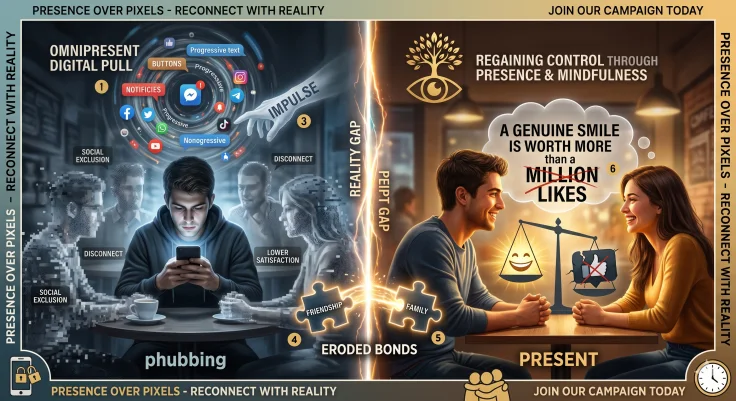
Read the following passage about Understanding "Brain Rot" and mark the letter A, B, C or D on your answer she...
Nguyễn Hoàng Nam
Thành viên cộng đồng
Read the following passage about Understanding "Brain Rot" and mark the letter A, B, C or D on your answer sheet to indicate the option that best fits each of the numbered blanks from 18 to 22.
The official recognition of "brain rot" as the Word of the Year by Oxford University Press underscores a profound saturation of mindless digital content in contemporary society, forcing us to confront our screen habits. (18)_________ that has triggered a massive 290% surge in the term's frequency; (19)_________. This linguistic phenomenon, which reflects a deep-seated anxiety regarding our increasingly hyper-digital existence, serves as a powerful critique of a culture prioritizing sheer quantity over intellectual substance. (20)_________, arguably, remains a significant concern for educators and psychologists worldwide. While many young people find the label humorous, others view it as a serious warning about the detrimental long-term effects of an ephemeral digital diet on human brain development. (21)_________; nevertheless, they frequently struggle to reclaim their cognitive focus from the pervasive platforms that dominate their lives. This constant preoccupation with low-quality media highlights the intellectual deterioration caused by a lack of focus. Ultimately, the crowning of "brain rot" symbolizes a pivotal moment (22)_________. We must learn to navigate this digital landscape carefully to preserve our mental well-being before the damage becomes irreversible and permanent for future generations. This linguistic choice reflects a collective desire to protect our minds from being numbed by mindless screens forever. Let's choose presence over pixels today.
https://www.theguardian.com/j
Question 18:
A. It is the relentless pursuit of "click-bait" engagement and algorithm-driven videos
B. It is the widespread availability of "click-bait" content and algorithm-driven platforms
C. It is the increasing demand for "click-bait" engagement and algorithm-driven content
D. It is the rapid expansion of "click-bait" media and algorithm-driven networks
Question 19:
A. as a result, the public now uses it to articulate differing perceptions of digital engagement fatigue
B. thus, the public now uses it to articulate a shared sense of digital exhaustion and fatigue under certain conditions
C. consequently, the public now uses it to articulate a broadly shared sense of digital exhaustion and fatigue in niche contexts
D. consequently, the public now uses it to articulate a shared sense of digital exhaustion and fatigue
Question 20:
A. Whether our collective critical thinking skills are being slowly eroded by such addictive habits
B. That our collective critical thinking skills are being slowly eroded by such addictive habits
C. How our collective critical thinking skills are being slowly eroded by such addictive habits
D. Why our collective critical thinking skills are being slowly eroded by such addictive habits
Question 21:
A. Users often feel briefly overwhelmed yet still attentive after several hours of endless scrolling
B. Users often feel emotionally engaged but mentally stable after several hours of endless scrolling
C. Users often feel mentally numbed and disconnected after several hours of endless scrolling
D. Users often feel mildly distracted and cognitively slower after several hours of endless scrolling
Question 22:
A. which represents society finally acknowledging the massive depravity of modern attention spans
B. that will eventually illustrate the massive depravity of modern attention spans
C. where society finally acknowledges the massive depravity of modern attention spans
D. which had previously illustrated the massive depravity of modern attention spans
Thầy Minh Tuấn
Chuyên giaĐã trả lời ngày 17/09/2026
Question 18:
A. It is the relentless pursuit of "click-bait" engagement and algorithm-driven videos
B. It is the widespread availability of "click-bait" content and algorithm-driven platforms
C. It is the increasing demand for "click-bait" engagement and algorithm-driven content
D. It is the rapid expansion of "click-bait" media and algorithm-driven networks
Giải Thích: Kiến thức về cấu trúc câu
A. It is the relentless pursuit of "click-bait" engagement and algorithm-driven videos – ĐÚNG – Cấu trúc câu chẻ It is... that... được sử dụng chính xác để nhấn mạnh nguyên nhân cốt lõi dẫn đến sự bùng nổ của thuật ngữ. Nội dung về sự theo đuổi lượt tương tác ảo phù hợp hoàn hảo với số liệu gia tăng tần suất sử dụng được nêu ở vế sau.
B. It is the widespread availability of "click-bait" content and algorithm-driven platforms – SAI – Mặc dù đúng về mặt ngữ pháp nhưng nội dung về sự sẵn có của nội dung chỉ mang tính chất mô tả trạng thái khách quan. Nó không thể hiện được tính chủ động và tác động mạnh mẽ để dẫn đến một sự thay đổi đột biến trong ngôn ngữ xã hội.
C. It is the increasing demand for "click-bait" engagement and algorithm-driven content – SAI – Lựa chọn này sai về mặt logic ngữ nghĩa khi cho rằng chính người dùng có nhu cầu chủ động đối với các nội dung gây hại. Bài viết đang tập trung phê phán cách thức các thuật toán và nhà sáng tạo nội dung đang ép buộc công chúng tiếp nhận.
D. It is the rapid expansion of "click-bait" media and algorithm-driven networks – SAI – Cụm từ mở rộng mạng lưới chỉ đề cập đến khía cạnh hạ tầng kỹ thuật hoặc quy mô vật lý của các phương tiện truyền thông. Nó không phản ánh được bản chất hành vi thu hút sự chú ý rẻ tiền vốn là trọng tâm gây ra hiện tượng brain rot này.
Tạm dịch: It is the relentless pursuit of "click-bait" engagement and algorithm-driven videos that has triggered a massive 290% surge in the term's frequency. ("Chính sự theo đuổi không ngừng nghỉ các lượt tương tác câu khách và các video do thuật toán thúc đẩy đã gây ra sự gia tăng đột biến 290% về tần suất sử dụng thuật ngữ này.")
Question 19:
A. as a result, the public now uses it to articulate differing perceptions of digital engagement fatigue
B. thus, the public now uses it to articulate a shared sense of digital exhaustion and fatigue under certain conditions
C. consequently, the public now uses it to articulate a broadly shared sense of digital exhaustion and fatigue in niche contexts
D. consequently, the public now uses it to articulate a shared sense of digital exhaustion and fatigue
Giải Thích: Kiến thức về mệnh đề độc lập – nghĩa của câu
A. as a result, the public now uses it to articulate differing perceptions of digital engagement fatigue – SAI – Trạng từ chỉ kết quả as a result dùng đúng để nối mệnh đề nhưng nội dung differing perceptions lại gây ra sự mâu thuẫn. Bài viết đang muốn nhấn mạnh vào một sự đồng thuận chung của đại chúng về trạng thái kiệt sức kỹ thuật số hiện nay.
B. thus, the public now uses it to articulate a shared sense of digital exhaustion and fatigue under certain conditions – SAI – Trạng từ thus tạo mối quan hệ nhân quả hợp lý nhưng cụm từ under certain conditions lại làm thu hẹp phạm vi của vấn đề quá mức. Thực trạng mệt mỏi kỹ thuật số đang là vấn đề mang tính hệ thống toàn cầu chứ không chỉ ở một vài điều kiện.
C. consequently, the public now uses it to articulate a broadly shared sense of digital exhaustion and fatigue in niche contexts – SAI – Trạng từ chỉ hệ quả consequently được dùng tốt nhưng cụm từ in niche contexts lại hoàn toàn sai lệch về mặt ngữ nghĩa. Sự kiệt sức kỹ thuật số là một trải nghiệm đại chúng rộng khắp chứ không chỉ xuất hiện trong những bối cảnh nhỏ lẻ.
D. consequently, the public now uses it to articulate a shared sense of digital exhaustion and fatigue – ĐÚNG – Liên từ chỉ kết quả tạo sự kết nối logic chặt chẽ với sự gia tăng tần suất sử dụng thuật ngữ ở mệnh đề trước. Cụm từ shared sense phản ánh chính xác sự đồng cảm rộng rãi của mọi người về tình trạng kiệt sức do công nghệ gây ra.
Tạm dịch: Consequently, the public now uses it to articulate a shared sense of digital exhaustion and fatigue. ("Hệ quả là, công chúng hiện đang sử dụng nó để thể hiện cảm giác chung về sự kiệt sức và mệt mỏi kỹ thuật số.")
Question 20:
A. Whether our collective critical thinking skills are being slowly eroded by such addictive habits
B. That our collective critical thinking skills are being slowly eroded by such addictive habits
C. How our collective critical thinking skills are being slowly eroded by such addictive habits
D. Why our collective critical thinking skills are being slowly eroded by such addictive habits
Giải Thích: Kiến thức về MĐQH
A. Whether our collective critical thinking skills are being slowly eroded by such addictive habits – SAI – Mệnh đề danh ngữ bắt đầu bằng Whether dùng để diễn đạt một sự nghi ngờ giữa hai khả năng xảy ra. Trong khi đó, ngữ cảnh của bài viết đang khẳng định một thực trạng tiêu cực rõ ràng chứ không phải đặt ra một câu hỏi nghi vấn chưa có lời giải.
B. That our collective critical thinking skills are being slowly eroded by such addictive habits – ĐÚNG – Mệnh đề danh ngữ bắt đầu bằng That biến một sự việc thành chủ ngữ của câu nhằm khẳng định một thực trạng chắc chắn. Cấu trúc này làm nổi bật nội dung về sự xói mòn khả năng tư duy phản biện do các thói quen kỹ thuật số gây nghiện.
C. How our collective critical thinking skills are being slowly eroded by such addictive habits – SAI – Mệnh đề danh ngữ bắt đầu bằng How tập trung mô tả phương thức hoặc quá trình thực hiện hành động. Bài viết này đang muốn nhấn mạnh trực diện vào bản chất của sự việc đáng lo ngại chứ không đi sâu vào phân tích quy trình xói mòn diễn ra ra sao.
D. Why our collective critical thinking skills are being slowly eroded by such addictive habits – SAI – Mệnh đề danh ngữ bắt đầu bằng Why tập trung giải thích lý do hoặc nguyên nhân sâu xa của một vấn đề. Việc đưa từ để hỏi này vào làm chủ ngữ sẽ khiến câu văn trở nên nặng nề và không đi thẳng vào thực trạng tiêu cực mà các chuyên gia đang lo lắng.
Tạm dịch: That our collective critical thinking skills are being slowly eroded by such addictive habits, arguably, remains a significant concern for educators and psychologists worldwide. ("Việc các kỹ năng tư duy phản biện tập thể của chúng ta đang dần bị xói mòn bởi những thói quen gây nghiện như vậy, có thể nói, vẫn là một mối lo ngại lớn đối với các nhà giáo dục và tâm lý học trên toàn thế giới.")
Question 21:
A. Users often feel briefly overwhelmed yet still attentive after several hours of endless scrolling
B. Users often feel emotionally engaged but mentally stable after several hours of endless scrolling
C. Users often feel mentally numbed and disconnected after several hours of endless scrolling
D. Users often feel mildly distracted and cognitively slower after several hours of endless scrolling
Giải Thích: Kiến thức về mệnh đề độc lập – nghĩa của câu
A. Users often feel briefly overwhelmed yet still attentive after several hours of endless scrolling – SAI – Nội dung mệnh đề này khẳng định người dùng vẫn giữ được sự chú ý sau nhiều giờ lướt mạng xã hội. Điều này mâu thuẫn trực tiếp với trạng từ nevertheless ở mệnh đề sau khi nói về việc họ rất khó khăn để lấy lại sự tập trung nhận thức.
B. Users often feel emotionally engaged but mentally stable after several hours of endless scrolling – SAI – Cụm từ mentally stable cho rằng người dùng vẫn ổn định về mặt tinh thần sau khi sử dụng mạng quá độ là không đúng. Ý kiến này hoàn toàn đi ngược lại với ý nghĩa của thuật ngữ brain rot và những cảnh báo về tác hại trong toàn bộ đoạn văn.
C. Users often feel mentally numbed and disconnected after several hours of endless scrolling – ĐÚNG – Mệnh đề này mô tả chính xác trạng thái tê liệt tinh thần và mất kết nối sau khi tiếp nhận quá nhiều nội dung số kém chất lượng. Nó tạo ra sự tương đương về mặt logic với nỗ lực giành lại sự tập trung nhận thức được đề cập ở mệnh đề ngay sau đó.
D. Users often feel mildly distracted and cognitively slower after several hours of endless scrolling – SAI – Trạng thái mildly distracted là quá nhẹ nhàng và không phản ánh đúng mức độ nghiêm trọng mà bài viết đang truyền tải. Nó không đủ sức nặng để làm tiền đề cho sự đối lập với việc đấu tranh vô vọng để kiểm soát tâm trí ở vế sau của câu.
Tạm dịch: Users often feel mentally numbed and disconnected after several hours of endless scrolling; nevertheless, they frequently struggle to reclaim their cognitive focus from the pervasive platforms that dominate their lives. ("Người dùng thường cảm thấy tê liệt về tinh thần và mất kết nối sau vài giờ lướt mạng không ngừng nghỉ; tuy nhiên, họ thường phải vật lộn để giành lại sự tập trung nhận thức từ các nền tảng phổ biến đang thống trị cuộc sống của họ.")
Question 22:
A. which represents society finally acknowledging the massive depravity of modern attention spans
B. that will eventually illustrate the massive depravity of modern attention spans
C. where society finally acknowledges the massive depravity of modern attention spans
D. which had previously illustrated the massive depravity of modern attention spans
Giải Thích: Kiến thức về MĐQH
A. which represents society finally acknowledging the massive depravity of modern attention spans – SAI – Đại từ quan hệ which dùng để thay thế cho một danh từ chỉ vật hoặc cả mệnh đề đứng trước. Trong ngữ cảnh nhấn mạnh vào một thời điểm lịch sử là pivotal moment, việc sử dụng đại từ này không chính xác và tự nhiên bằng một trạng từ quan hệ chỉ thời gian.
B. that will eventually illustrate the massive depravity of modern attention spans – SAI – Việc sử dụng thì tương lai sẽ minh họa làm giảm đi tính thời sự và cấp bách của sự kiện. Việc Oxford công bố từ của năm là một sự kiện đang diễn ra và nó trực tiếp phản ánh thực trạng xã hội ngay tại thời điểm hiện tại của văn bản này.
C. where society finally acknowledges the massive depravity of modern attention spans – ĐÚNG – Trạng từ quan hệ where được dùng chính xác để bổ nghĩa cho danh từ moment khi nó mang sắc thái của một thời điểm hoặc hoàn cảnh. Nó dẫn dắt một mệnh đề giải thích rõ xã hội đang thừa nhận sự suy giảm nghiêm trọng của khả năng tập trung hiện nay.
D. which had previously illustrated the massive depravity of modern attention spans – SAI – Thì quá khứ hoàn thành had previously illustrated ám chỉ sự việc này đã kết thúc trước một thời điểm khác trong quá khứ. Điều này làm mất đi tính kết nối với lời kêu gọi hành động bảo vệ sức khỏe tinh thần và tương lai của thế hệ trẻ ở cuối đoạn văn.
Tạm dịch: Ultimately, the crowning of "brain rot" symbolizes a pivotal moment where society finally acknowledges the massive depravity of modern attention spans. ("Cuối cùng, việc tôn vinh brain rot tượng trưng cho một thời điểm then chốt khi xã hội cuối cùng cũng thừa nhận sự suy giảm nghiêm trọng của khả năng tập trung hiện đại.")
BẢNG TẠM DỊCH SONG NGỮ