
The City That Promises Everything At dawn, the edge of a megacity is already awake. Buses unload workers carry...
Trần Gia Huy
Thành viên cộng đồng
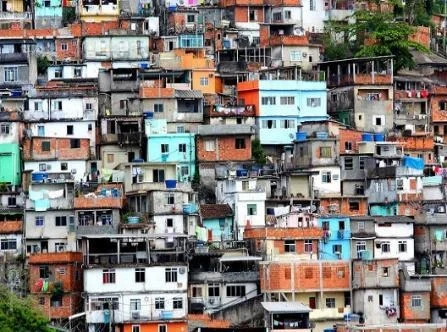
The City That Promises Everything At dawn, the edge of a megacity is already awake. Buses unload workers carrying plastic bags, school uniforms and the kind of hope that does not look dramatic from a distance. They have not come to the city because it is easy. They have come because the countryside has offered too little, and the city, despite its noise and cruelty, still seems to offer more. In places such as Lagos, São Paulo and Jakarta, urban life can indeed widen opportunity: jobs appear, services improve, and children may grow up closer to schools, hospitals and public life. But beyond the bright grammar of development, the city also asks a harder question: how many people can be invited in before arrival itself becomes another form of exclusion? The problem is not that megacities fail to generate wealth. They generate enormous amounts of it. The problem is who gets to keep it. While daily wages for low-income workers have increased three or four times over the past decade, the earnings of salaried professionals have risen nearly ten times in the same period. The more industries develop, the more socio-economic disparity cities experience. Affordable housing has become a distant dream for many, and slum clearances, often framed as modernisation, rarely ask where the displaced go next. The shortage of decent housing has led to more and more families settling in overcrowded conditions on the urban fringe. What makes this disparity so difficult to dismantle is that poverty and prosperity are structurally connected, not simply neighbours. Residents of informal settlements sustain the very comfort and convenience that others take for granted, yet investment in their schools and healthcare has remained less and less adequate over time. Due to this neglect, children in these communities are far more likely to drop out and find themselves unemployable later. Perhaps the sharpest cost of megacity life is one no official response has fully addressed: urban loneliness. The bigger the city grows, the harder it becomes to truly belong. Whether megacities can hold space for those who build them, rather than merely extracting their labour, remains a concern among urban planners and ordinary residents alike. [Adapted from https://www.atlanticcouncil.org/] Question 23: According to paragraph 3, why may children in neglected informal settlements become unemployable later? A. Because their communities are physically far from all forms of paid work. B. Because weak investment in basic services, especially schools, increases their risk of dropping out. C. Because they refuse to work in the services that support richer urban residents. D. Because urban industries no longer need workers from low-income communities. Question 24: The word “widen” in paragraph 1 is closest in meaning to __________. A. expand B. protect C. delay D. organise Question 25: The word “They” in paragraph 1 refers to __________. A. public services in large cities B. workers arriving at the city’s edge C. schools, hospitals and public places D. places such as Lagos and Jakarta Question 26: Which statement best paraphrases the underlined sentence in paragraph 2? A. Cities with advanced industries usually provide more equal opportunities for all. B. Industrial growth often leads to a widening gap between different social classes. C. The expansion of industries is necessary to reduce the level of urban poverty. D. Social inequality is a prerequisite for the rapid development of urban industries. Question 27: According to paragraph 2, which detail is NOT mentioned as part of the inequality problem in megacities? A. Low-income workers’ wages have risen far less than professional salaries. B. Slum clearances may ignore what happens to displaced residents afterwards. C. Housing costs have made decent homes difficult for many families to obtain. D. Local governments have reduced all public transport fares for poor workers. Question 28: The word “dismantle” in paragraph 3 is OPPOSITE in meaning to __________. A. strengthen B. question C. notice D. describe Question 29: Which paragraph discusses a social and emotional cost of megacity life that official solutions have not fully solved? A. Paragraph 1 B. Paragraph 2 C. Paragraph 3 D. Paragraph 4 Question 30: In which paragraph does the author explain how poverty and prosperity are structurally connected in megacities? A. Paragraph 1 B. Paragraph 2 C. Paragraph 3 D. Paragraph 4 |
Cô Nguyễn Thị Sen
Chuyên giaĐã trả lời ngày 29/09/2026
Read the passage and mark the letter A, B, C or D on your answer sheet to indicate the best answer to each of the following questions from 23 to 30. |
Hướng dẫn giải Question 23: Theo đoạn 3, vì sao trẻ em trong các khu định cư không chính thức bị bỏ bê có thể trở nên không có khả năng kiếm việc sau này? A. Because their communities are physically far from all forms of paid work: Vì cộng đồng của các em ở xa mọi hình thức công việc có trả lương. B. Because weak investment in basic services, especially schools, increases their risk of dropping out: Vì đầu tư yếu vào các dịch vụ cơ bản, đặc biệt là trường học, làm tăng nguy cơ các em bỏ học. C. Because they refuse to work in the services that support richer urban residents: Vì các em từ chối làm các công việc dịch vụ hỗ trợ cư dân giàu hơn. D. Because urban industries no longer need workers from low-income communities: Vì các ngành công nghiệp đô thị không còn cần lao động từ cộng đồng thu nhập thấp. Căn cứ vào thông tin: Đoạn 3: “Residents of informal settlements sustain the very comfort and convenience that others take for granted, yet investment in their schools and healthcare has remained less and less adequate over time. Due to this neglect, children in these communities are far more likely to drop out and find themselves unemployable later.” (Cư dân trong các khu định cư không chính thức duy trì chính sự thoải mái và tiện lợi mà người khác xem là hiển nhiên, nhưng đầu tư vào trường học và chăm sóc sức khỏe của họ ngày càng thiếu thốn. Do sự bỏ bê này, trẻ em trong các cộng đồng này có nhiều khả năng bỏ học hơn và sau này trở nên không có khả năng kiếm việc.) Chi tiết mấu chốt là “investment in their schools and healthcare has remained less and less adequate” và “children… are far more likely to drop out”. Đáp án B diễn đạt đúng quan hệ nguyên nhân: đầu tư yếu vào dịch vụ cơ bản, đặc biệt là trường học, làm trẻ dễ bỏ học, từ đó khó có việc sau này. Đáp án: B Question 24: Từ “widen” trong đoạn 1 gần nghĩa nhất với từ nào? A. expand /ɪkˈspænd/ (v): mở rộng B. protect /prəˈtekt/ (v): bảo vệ C. delay /dɪˈleɪ/ (v): trì hoãn D. organise /ˈɔːɡənaɪz/ (v): tổ chức, sắp xếp Căn cứ vào thông tin: Đoạn 1: “In places such as Lagos, São Paulo and Jakarta, urban life can indeed widen opportunity: jobs appear, services improve, and children may grow up closer to schools, hospitals and public life.” (Ở những nơi như Lagos, São Paulo và Jakarta, đời sống đô thị thật sự có thể mở rộng cơ hội: việc làm xuất hiện, dịch vụ được cải thiện, và trẻ em có thể lớn lên gần trường học, bệnh viện và đời sống công cộng hơn.) Sau dấu hai chấm, bài giải thích “widen opportunity” bằng các biểu hiện như có thêm việc làm, dịch vụ tốt hơn, trẻ em gần trường học và bệnh viện hơn. Ngữ cảnh này cho thấy “widen” mang nghĩa làm cho cơ hội rộng hơn, nhiều hơn. => widen ≈ expand Đáp án: A Question 25: Từ “They” trong đoạn 1 chỉ điều gì? A. public services in large cities: các dịch vụ công ở thành phố lớn B. workers arriving at the city’s edge: những người lao động đến rìa thành phố C. schools, hospitals and public places: trường học, bệnh viện và nơi công cộng D. places such as Lagos and Jakarta: những nơi như Lagos và Jakarta Căn cứ vào thông tin: Đoạn 1: “Buses unload workers carrying plastic bags, school uniforms and the kind of hope that does not look dramatic from a distance. They have not come to the city because it is easy. They have come because the countryside has offered too little...” (Xe buýt thả xuống những người lao động mang túi nhựa, đồng phục học sinh và một kiểu hy vọng trông không có vẻ kịch tính từ xa. Họ không đến thành phố vì nó dễ sống. Họ đến vì vùng nông thôn đã mang lại quá ít...) “They” quay lại danh từ gần trước đó và hợp logic nhất là “workers”. Các câu sau nói về lý do “đến thành phố”, nên chủ thể phải là những người lao động mới đến, không phải dịch vụ, trường học hay tên thành phố. => They = workers arriving at the city’s edge Đáp án: B Question 26: Câu nào diễn giải đúng nhất câu được gạch chân trong đoạn 2? “The more industries develop, the more socio-economic disparity cities experience.” (Các ngành công nghiệp càng phát triển, các thành phố càng trải qua nhiều bất bình đẳng kinh tế - xã hội.) Căn cứ vào thông tin: Đoạn 2: “While daily wages for low-income workers have increased three or four times over the past decade, the earnings of salaried professionals have risen nearly ten times in the same period. The more industries develop, the more socio-economic disparity cities experience.” (Trong khi tiền công hằng ngày của lao động thu nhập thấp tăng gấp ba hoặc bốn lần trong thập kỷ qua, thu nhập của người làm công ăn lương chuyên môn đã tăng gần mười lần trong cùng giai đoạn. Các ngành công nghiệp càng phát triển, các thành phố càng trải qua nhiều bất bình đẳng kinh tế - xã hội.) A. Cities with advanced industries usually provide more equal opportunities for all: Các thành phố có ngành công nghiệp phát triển thường cung cấp cơ hội bình đẳng hơn cho tất cả mọi người. Sai. Đáp án này đảo ngược ý bài. Câu gốc nói công nghiệp phát triển đi kèm khoảng cách kinh tế - xã hội lớn hơn, không phải cơ hội bình đẳng hơn. B. Industrial growth often leads to a widening gap between different social classes: Tăng trưởng công nghiệp thường dẫn đến khoảng cách ngày càng lớn giữa các tầng lớp xã hội khác nhau. Đúng. “Industrial growth” khớp với “industries develop”, còn “a widening gap between different social classes” khớp với “more socio-economic disparity”. C. The expansion of industries is necessary to reduce the level of urban poverty: Sự mở rộng công nghiệp là cần thiết để giảm mức độ nghèo đô thị. Sai. Bài không nói công nghiệp phát triển giúp giảm nghèo; ngược lại, đoạn này nhấn mạnh sự chênh lệch tăng lên giữa lao động thu nhập thấp và giới chuyên môn. D. Social inequality is a prerequisite for the rapid development of urban industries: Bất bình đẳng xã hội là điều kiện tiên quyết cho sự phát triển nhanh của công nghiệp đô thị. Sai. Câu gốc nói công nghiệp phát triển thì bất bình đẳng tăng, không nói bất bình đẳng là điều kiện cần để công nghiệp phát triển. Đáp án này đổi quan hệ logic. Đáp án: B Question 27: Theo đoạn 2, chi tiết nào KHÔNG được nhắc đến như một phần của vấn đề bất bình đẳng ở các siêu đô thị? A. Low-income workers’ wages have risen far less than professional salaries: Tiền công của lao động thu nhập thấp tăng ít hơn nhiều so với lương của người làm chuyên môn. B. Slum clearances may ignore what happens to displaced residents afterwards: Việc giải tỏa khu ổ chuột có thể phớt lờ chuyện gì xảy ra với người bị di dời sau đó. C. Housing costs have made decent homes difficult for many families to obtain: Chi phí nhà ở khiến nhiều gia đình khó có được nhà ở tử tế. D. Local governments have reduced all public transport fares for poor workers: Chính quyền địa phương đã giảm tất cả giá vé giao thông công cộng cho người lao động nghèo. Căn cứ vào thông tin: Đoạn 2: “While daily wages for low-income workers have increased three or four times over the past decade, the earnings of salaried professionals have risen nearly ten times in the same period... Affordable housing has become a distant dream for many, and slum clearances, often framed as modernisation, rarely ask where the displaced go next.” (Trong khi tiền công hằng ngày của lao động thu nhập thấp tăng gấp ba hoặc bốn lần trong thập kỷ qua, thu nhập của người làm công ăn lương chuyên môn đã tăng gần mười lần trong cùng giai đoạn... Nhà ở giá phải chăng đã trở thành một giấc mơ xa vời với nhiều người, và việc giải tỏa khu ổ chuột, thường được xem như hiện đại hóa, hiếm khi hỏi những người bị di dời sẽ đi đâu tiếp.) Đoạn 2 có nhắc đến chênh lệch thu nhập, khó khăn về nhà ở và vấn đề sau giải tỏa khu ổ chuột. Tuy nhiên, đoạn này không nhắc việc chính quyền giảm giá vé giao thông công cộng cho người nghèo. Đáp án: D Question 28: Từ “dismantle” trong đoạn 3 trái nghĩa với từ nào? A. strengthen /ˈstreŋθən/ (v): làm mạnh hơn, củng cố B. question /ˈkwestʃən/ (v): chất vấn, nghi ngờ C. notice /ˈnəʊtɪs/ (v): nhận thấy D. describe /dɪˈskraɪb/ (v): miêu tả Căn cứ vào thông tin: Đoạn 3: “What makes this disparity so difficult to dismantle is that poverty and prosperity are structurally connected, not simply neighbours.” (Điều khiến sự chênh lệch này khó bị tháo gỡ là nghèo đói và thịnh vượng có liên kết về mặt cấu trúc, chứ không chỉ đơn giản là tồn tại cạnh nhau.) Trong ngữ cảnh này, “dismantle” mang nghĩa tháo gỡ, phá bỏ hoặc làm suy yếu một hệ thống bất bình đẳng. Từ trái nghĩa phù hợp là “strengthen”, nghĩa là củng cố, làm cho nó mạnh hơn. => dismantle >< strengthen Đáp án: A Question 29: Đoạn nào bàn về một cái giá xã hội và cảm xúc của đời sống siêu đô thị mà các giải pháp chính thức chưa giải quyết đầy đủ? Căn cứ vào thông tin: Đoạn 4: “Perhaps the sharpest cost of megacity life is one no official response has fully addressed: urban loneliness. The bigger the city grows, the harder it becomes to truly belong.” (Có lẽ cái giá sắc bén nhất của đời sống siêu đô thị là điều mà chưa phản ứng chính thức nào giải quyết đầy đủ: sự cô đơn đô thị. Thành phố càng lớn, con người càng khó thật sự thuộc về nơi đó.) Chi tiết “urban loneliness” là chi phí xã hội và cảm xúc. Cụm “no official response has fully addressed” khớp trực tiếp với “official solutions have not fully solved”. Đáp án: D Question 30: Tác giả giải thích ở đoạn nào rằng nghèo đói và thịnh vượng có liên kết cấu trúc trong các siêu đô thị? Căn cứ vào thông tin: Đoạn 3: “What makes this disparity so difficult to dismantle is that poverty and prosperity are structurally connected, not simply neighbours.” (Điều khiến sự chênh lệch này khó bị tháo gỡ là nghèo đói và thịnh vượng có liên kết về mặt cấu trúc, chứ không chỉ đơn giản là tồn tại cạnh nhau.) Câu hỏi hỏi trực tiếp đoạn nào nói “poverty and prosperity are structurally connected”. Cụm này xuất hiện ở đoạn 3, nên đáp án là Paragraph 3. Đáp án: C |